Paint Protection Film (PPF)
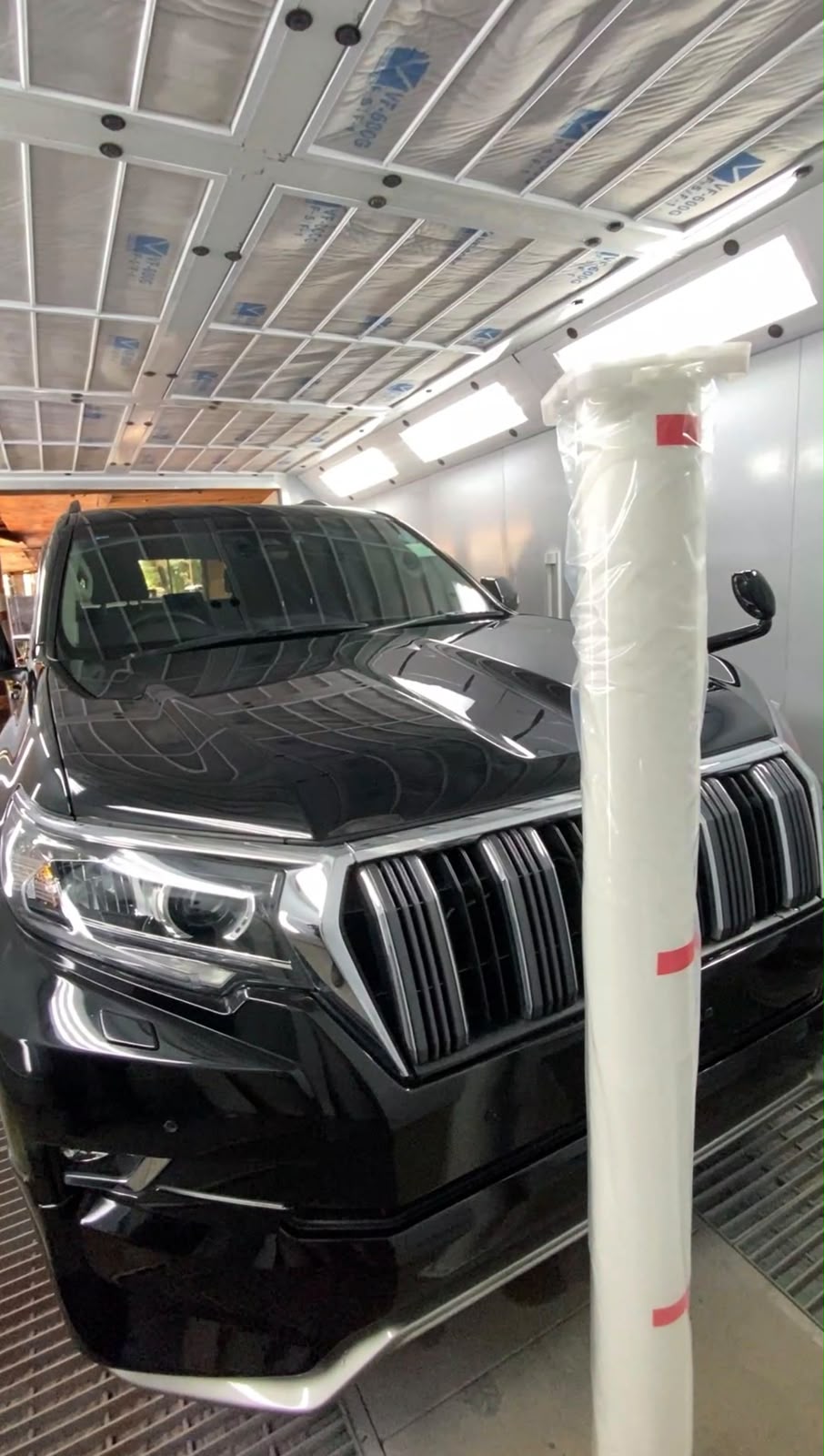
Paint Protection Film (PPF)
Paint Protection Film — often called "clear bra" — is a transparent, self-healing urethane film applied directly to your car's painted surfaces. Unlike ceramic coating, which is a chemical layer, PPF is a genuine physical barrier: it absorbs stone chips, resists light scratches and shields against road debris at speed. If you drive on Kenyan highways, live near gravel roads, or simply want your car's paint to stay genuinely pristine for years, PPF is the single most effective protection money can buy. Every job starts with a free inspection so we can recommend the right coverage for your driving pattern and budget.
- Free inspection & instant quote
- Self-healing urethane film
- 5–10 year film warranty
- Optional ceramic top-coat included
What paint protection film actually is
PPF is a thick (typically 8 mil), optically clear thermoplastic urethane film with a pressure-sensitive adhesive backing. It's applied to painted surfaces and, once installed, becomes virtually invisible — you genuinely cannot tell it's there on a quality installation. Modern PPF is:
- Self-healing — light scratches and swirls vanish when exposed to sunlight or heat. The film's top layer re-flows and closes the scratch.
- Impact-absorbing — a stone kicked up on the highway will pit the film, not the paint beneath. You can literally drive your car harder without worrying.
- UV-stable — the film filters UV radiation, protecting the paint beneath from oxidation and fading.
- Hydrophobic — modern films bead water and resist contamination, similar to ceramic coating.
- Removable — when PPF eventually reaches the end of its life (or you sell the car), it peels off cleanly without damaging the paint beneath.
PPF vs ceramic coating — which do you actually need?
This is the most common question we get — and the honest answer is that they solve different problems.
Ceramic Coating
Chemical layer. Adds gloss, hydrophobic behaviour, UV resistance and makes washing easier. Does NOT protect against stone chips or physical scratches.
Ideal for: garage-kept cars, low-mileage use, or owners whose main aim is gloss and easy maintenance.
Paint Protection Film
Physical layer. Absorbs impacts, self-heals scratches, blocks stone chips and road debris. Adds a small amount of gloss but is mainly about impact protection.
Ideal for: daily drivers, highway commuters, off-road users, new cars.
PPF + Ceramic (Best of Both)
PPF applied first, then ceramic coating on top of the film. You get physical protection PLUS gloss and easy cleaning. This is the top-tier combination and what we most often recommend for premium or new vehicles.
Coverage options — how much PPF is right for you?
You don't have to PPF the entire car. We offer several coverage levels based on your priorities and budget:
Partial Front
Front bumper, half-bonnet (leading edge), headlights, wing mirrors and A-pillars. Covers the highest-impact areas.
From KES 85,000
Full Front
Complete front bumper, full bonnet, front wings, headlights, wing mirrors and A-pillars. Our most popular package.
From KES 145,000
Full Body
Every painted exterior panel. Maximum protection for premium, classic or concours-level vehicles.
From KES 380,000
How the process works
Inspection & Consultation
We inspect the paint for existing damage, measure paint depth, and discuss your driving habits to recommend the right coverage level. If the paint has significant chips or defects, we'll recommend correction first — PPF locks in whatever is beneath it, so the surface must be right.
Decontamination Wash
The car is hand-washed, clay-barred and decontaminated. Any trace of tar, iron fallout, wax or silicone will prevent the film's adhesive from bonding properly — this stage cannot be rushed.
Pattern Cutting
We use computer-cut patterns specific to your vehicle's make, model and year, or hand-trim where needed. This ensures precision edges and minimises the risk of cutting into your paint during installation.
Installation
The film is applied using a slip solution that lets it be positioned precisely, then squeegeed to remove all water and air. Complex curves, edges and bumpers require skill and experience — a poor installation shows wrinkles, lifting and trapped dirt.
Edge Wrapping & Trimming
Where possible, film edges are wrapped around panel edges so they're hidden — leaving a seamless, invisible installation with no visible cut lines.
Curing & Final Inspection
The car sits for a curing period so the adhesive fully bonds. We inspect every panel for bubbles, lifting edges or debris under the film. Any issues are corrected immediately — we never hand over a job we wouldn't accept ourselves.
Optional Ceramic Top-Coat
For maximum gloss and ease of cleaning, we can apply ceramic coating on top of the PPF. This is the combination most premium car owners choose.
Where PPF delivers the biggest benefit
PPF is not equally valuable on every part of the car. These are the areas where it makes the most measurable difference:
- Front bumper — the single most chip-prone area on any car. Highway driving alone can pit a bumper within a year.
- Bonnet leading edge — stone chips from trucks and other cars tend to strike here first. Highly visible damage.
- Wing mirrors & A-pillars — hit regularly by debris. Small area but high visual impact if chipped.
- Headlights — protects against the yellowing and hazing that degrades light output and appearance.
- Door edges & handle cups — invisible but frequent sources of paint damage in car parks.
- Rear bumper loading edge — a high-risk area for scratches from loading luggage and shopping.
Aftercare — keeping your PPF looking new
PPF is durable but not indestructible. With the right care, it will last 5–10 years. These habits will maximise its life:
- Wait 7 days before the first wash — the adhesive needs time to fully cure. Avoid heavy rain exposure in the first 48 hours where possible.
- Wash with pH-neutral shampoo — no alkaline or acidic cleaners. They degrade the film's top coat over time.
- Never use a high-pressure jet close to film edges — the pressure can lift wrapped edges over time.
- Avoid automatic car washes with brushes — they scratch the film's self-healing top layer.
- Remove bird droppings, insect remains and tree sap promptly — acids can stain film if left for long periods.
- Do not polish PPF with cutting compounds — unless it's a specialist PPF polish. Standard compounds can dull the self-healing layer.
- Book an annual PPF inspection — we check for lifting edges, contamination and film health, and top up protection if ceramic-coated.
How long does PPF last?
Quality PPF, professionally installed and cared for, lasts 5–10 years. The film we install carries its own manufacturer warranty (typically 5–10 years depending on grade). If cared for properly — hand washes, pH-neutral shampoo, shelter where possible — it will look and perform like new for most of that window. Films installed incorrectly or cleaned harshly can start to yellow, lift edges or lose adhesion within 2–3 years, which is why installation skill matters as much as the film brand.
Why choose DOP RESPRAY & DETAILING for PPF?
PPF installation is one of the most skill-dependent services in the automotive world. Two installers using identical film can produce wildly different results — one invisible and seamless, the other full of trapped dust, visible edges and wrinkles. Our technicians are trained on pattern-cut and hand-trim installation, and every job is done in a dust-controlled bay with proper lighting and time. We don't rush PPF installations — because a rushed install is a failed install.
We also always recommend a paint inspection first: if the paint beneath the film isn't right, PPF will permanently lock in those flaws. We'll always tell you honestly whether correction is needed before film.
Frequently asked about PPF
Is PPF really invisible on the car?
Does PPF stop all stone chips?
Will PPF damage my paint when it's removed?
Can PPF be applied over ceramic coating?
How long does PPF installation take?
Does PPF yellow over time?
Can PPF be polished or ceramic coated?
How much does PPF installation cost?
Get an instant quote for Paint Protection Film (PPF)
Free inspection, personalised pricing, and honest advice — ready in under two minutes.