
Engine Bay Detail
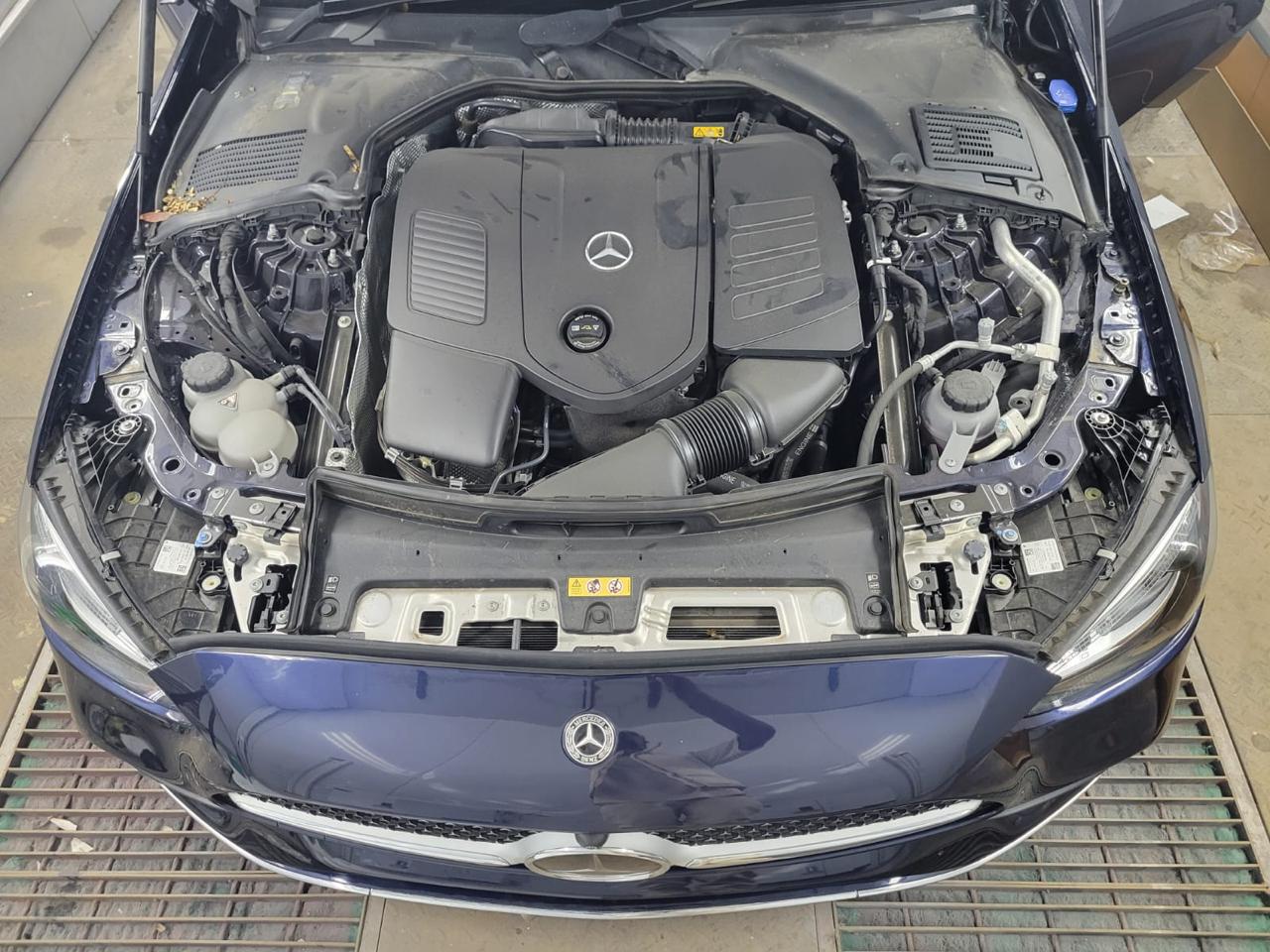
Engine Bay Detail
A properly cleaned engine bay isn't just about looks — it's about the health of your vehicle. Years of oil residue, dust, leaf litter and road grime build up silently, hiding leaks, corroding terminals, and baking onto hoses and plastics under bonnet heat. Our Engine Bay Detail restores the compartment safely and thoroughly, using electrical-safe techniques that protect your ECU, sensors and wiring — the parts that most quick-wash operations damage. Every job starts with a free inspection so you know exactly what we're dealing with and what the result will look like.
- Free inspection & instant quote
- Electrical-safe cleaning methods
- OEM-approved degreasers & dressings
- Written workmanship warranty
Why engine bay cleaning matters more than most people think
Most owners only think about the engine bay when it's time to sell the car or take it in for a service. But a dirty engine bay is more than a cosmetic problem. Grease and oil attract and hold dust, which then acts like an abrasive on moving parts. Overheating risks increase when airflow around the block is restricted by packed-in debris. And critically, a layer of grime masks early signs of leaks — oil seepage from a gasket, a weep from a coolant hose, a failing power-steering line — that could have been caught cheaply if the bay had been clean.
A professionally detailed engine bay lets you (and your mechanic) see exactly what's happening under there. It also makes future service work faster, cleaner and less expensive — because technicians aren't fighting through years of baked-on grease. And if you ever sell the car, a clean engine bay is one of the strongest signals that the vehicle has been properly looked after.
The risks of DIY and quick-wash engine cleaning
We regularly see the aftermath of engine bay cleaning done wrong — and the results can be expensive. The three most common mistakes we encounter:
- High-pressure water into electrics — forces water past seals into the ECU, alternator, fuse box or coil packs, causing electrical gremlins that can cost tens of thousands to fix.
- Harsh household degreasers — caustic or acidic cleaners that corrode aluminium, strip protective coatings and bleach plastics and rubber.
- Rushed dressing — silicone sprays over wet surfaces trap moisture, which then corrodes connectors and electrical terminals under the dressing.
At DOP, every engine bay we clean is done with the engine off and cool, with sensitive electronics masked off, water pressure carefully controlled, and each stage allowed to dry fully before the next. It takes longer. That's exactly why it's safer.
How the process works
Inspection & Masking
We inspect the engine bay for leaks, damage, brittle hoses or exposed wiring, and photograph any pre-existing issues. Alternator, ECU, fuse box, air intake and all electrical connectors are then carefully masked off with waterproof covers.
Dry Debris Removal
Loose leaves, dust and debris are vacuumed and blown out with controlled air pressure before any liquid is introduced. This prevents debris from turning into a mud that spreads deeper into the compartment.
Degreasing
OEM-safe engine degreaser is applied to greasy areas and allowed to dwell, breaking down oil residue and road film. We work section by section — not just spray and hope. Stubborn areas are agitated with detailing brushes, including narrow crevices around the block.
Controlled Rinse
Low-pressure water is used to rinse — never a high-pressure jet aimed at electrics. Runoff is contained and disposed of responsibly, not pushed into drains or onto your driveway.
Drying & Moisture Removal
The bay is blown dry with compressed air, then left with airflow for a full drying period. We do not skip this step — trapped moisture is the number-one cause of post-cleaning electrical problems.
Dressing & Finishing
Plastic covers, hoses and rubber trim are dressed with a UV-protective, non-silicone dressing that restores a factory-fresh satin finish and prevents cracking. Metal surfaces are polished. The result is a bay that looks like it just rolled off the line.
Quality Check & Report
Final inspection with a checklist. If we found any leaks, brittle hoses or developing issues during cleaning, they're photographed and reported to you — because we'd rather tell you about a small problem now than let it become an expensive one later.
What we clean — and what we deliberately don't
Some areas of the engine bay need gentle treatment, and some should not be wetted at all. Our technicians are trained to know the difference. In general:
Cleaned thoroughly
Engine block, valve cover, intake manifold, bay walls, plastic covers, hose exteriors, brackets and painted metal surfaces.
Cleaned with extra care
Alternator (damp-wiped, not sprayed), distributor area on older cars, coil packs, sensors, and any wiring harness visible near the top of the bay.
Deliberately avoided
ECU, fuse box interior, open electrical connectors, air filter intake, and any area the manufacturer explicitly seals. These are masked, not cleaned.
Maintenance tips to keep your engine bay clean
Once detailed, an engine bay is easy to keep clean — as long as you don't let it get out of hand again. Here's what we recommend:
- Wipe down monthly with a damp microfibre cloth — just the visible plastic covers and painted surfaces. Takes 5 minutes and prevents buildup.
- Never use a high-pressure jet on the engine bay — even on a "safe" setting. Water finds its way into places it shouldn't.
- Check for leaves and debris monthly — especially around the wiper cowl, battery tray and air intake. Leaf litter is a leading cause of blockages and fire risk.
- Fix small leaks immediately — a clean engine bay makes them easy to spot early. Ignoring oil seepage leads to larger, costlier repairs.
- Book a professional detail annually — a proper detail every 12 months keeps the bay hygienic, reveals developing issues early, and protects rubber and plastic from cracking.
- Before any road trip or inspection — a clean bay makes it far easier for your mechanic to assess the car quickly and accurately.
How often should you detail your engine bay?
For a daily-driven car in Nairobi — where dust, rain and traffic grime accumulate fast — we recommend a professional engine bay detail once every 12 months, or every 6 months for vehicles regularly driven on rural roads, construction zones or dusty areas. If you're planning to sell the car, or preparing for an important service or inspection, a fresh detail is one of the highest-impact things you can do for its perceived value.
Classic and older vehicles should be cleaned more gently and less frequently — some older wiring and connectors don't tolerate moisture the way modern sealed components do. We'll advise you honestly during the inspection.
Why choose DOP RESPRAY & DETAILING for engine bay cleaning?
Most places that "clean engines" do exactly that — pressure-wash, spray a dressing, done. That approach damages cars. We treat engine bay detailing as a technician's job, not a labourer's. Every bay is masked, cleaned by hand where needed, rinsed under controlled pressure, and dried completely. Sensitive components are protected. Any developing issues are photographed and reported. And every job carries our written workmanship warranty.
We'd rather spend an extra hour getting it right than take a shortcut that costs you a sensor or ECU. That standard is why so many of our customers come back.
Frequently asked about engine bay detailing
Is it safe to wash the engine bay of a modern car?
Can engine bay cleaning damage my car's electronics?
Will engine bay cleaning expose existing oil leaks?
How long does an engine bay detail take?
Can engine bay detailing fix my car's overheating problem?
Will a clean engine bay increase my car's resale value?
Do you clean motorcycle, truck or commercial vehicle engine bays?
How much does engine bay detailing cost?
Get an instant quote for Engine Bay Detail
Free inspection, personalised pricing, and honest advice — ready in under two minutes.