Alloy Wheel Restoration
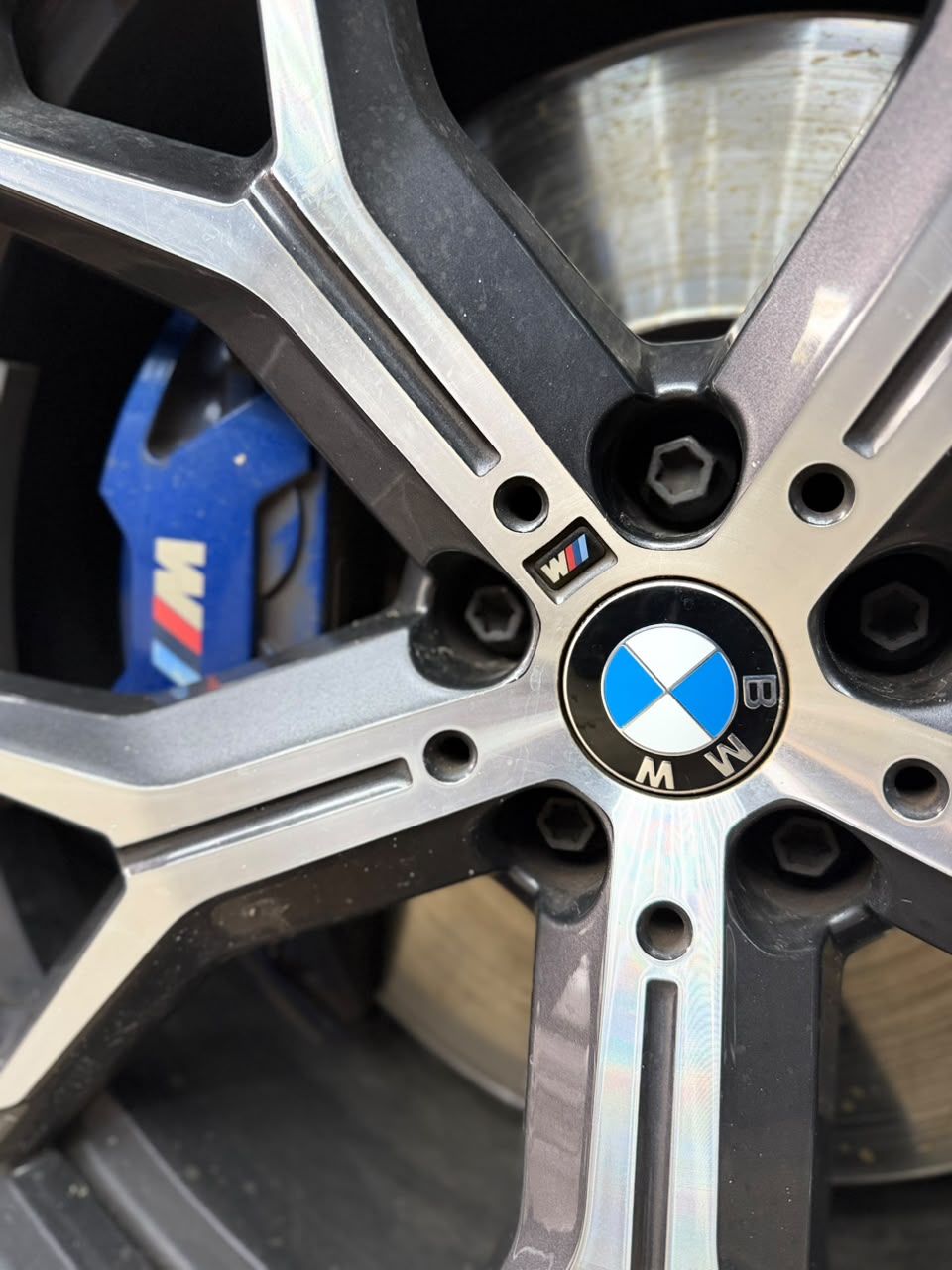
Alloy Wheel Restoration
Your wheels take more abuse than any other part of your car — road salt, brake dust, kerb strikes, potholes and Nairobi's ever-changing road conditions. Over time, alloy wheels lose their factory finish, collect brake-dust staining that won't wash off, and pick up kerb rash that no amount of scrubbing can fix. Our Alloy Wheel Restoration service brings them back — deep-cleaned, corrosion-treated, refinished and coated with a protective layer that keeps them looking sharp for years. Every job begins with a free inspection so you know exactly what's achievable and what it will cost.
- Free inspection & instant quote
- Brake-dust & iron fallout decontamination
- Optional kerb-rash repair & refinishing
- Ceramic wheel coating for long-term protection
Why wheel care matters more than most owners think
Wheels are one of the first things anyone notices about a car. A clean, well-presented set of alloys lifts the entire vehicle — while stained, kerbed or dull wheels drag down even a freshly detailed car. But the importance of wheel care goes beyond appearance. Brake dust is not just dust — it's a hot, acidic mix of iron particles and friction material that bonds to alloy surfaces when it's hot and, over time, etches into the clear coat. Left for too long, brake dust causes permanent pitting and corrosion that no amount of polishing can reverse.
Corrosion also poses a functional risk. Alloy wheels hold the tyre bead and support the tyre's integrity at speed. Neglected corrosion around the bead seat can cause slow air leaks, and eventually structural weakness. Regular cleaning and periodic professional restoration protect not just the look but the safety of your wheels.
What we can fix — and what we can't
Before we begin, we're always honest about what a restoration can achieve on your specific wheels. Here's the honest breakdown:
Fully restorable
Surface brake-dust staining, iron fallout, tar spots, mild clear-coat oxidation and general grime. Restored to near-factory brightness in most cases.
Refinishable (extra cost)
Light-to-moderate kerb rash, small scratches, minor chips and scuffs in the clear coat. Requires filling, sanding and re-clearing the affected area.
Beyond restoration
Deep structural cracks, bent rims, severe alloy corrosion (pitting through the metal), or wheels that have been poorly refinished previously. Replacement is often the better option.
How the process works
Inspection & Assessment
The wheels are inspected for damage, corrosion, kerb rash, and the type of finish (painted, polished, diamond-cut, or chrome). We photograph anything pre-existing so there's full transparency about the starting point.
Wheel-Off Cleaning (where required)
For deep restoration, wheels are removed from the vehicle so we can reach behind the spokes, clean the inner barrel, and treat corrosion around the bead seat. This is the part DIY cleaning can't touch.
Iron & Tar Decontamination
A pH-neutral iron remover dissolves embedded brake-dust particles, followed by a tar remover for bitumen and road film. We use dedicated brushes for lug nut holes and spoke gaps — this is where most brake dust hides.
Kerb-Rash Repair (optional)
If kerb rash is present and refinishing is chosen, the damaged area is sanded, filled where necessary, primed, painted to match the original finish, and re-cleared. This is genuine restoration, not just covering up damage.
Polishing & Finishing
The wheel is polished to remove light clear-coat imperfections and bring back full gloss. Diamond-cut and polished alloy finishes receive specialist treatment to restore their original mirror shine.
Ceramic Wheel Coating
The final step is a heat-resistant ceramic coating designed specifically for wheels. This creates a hydrophobic, brake-dust-resistant layer that makes future cleaning dramatically easier and protects against corrosion. This is the step that separates a "clean" wheel from a protected one.
Tyre Dressing & Quality Check
Tyres are dressed with a non-greasy satin finish for a crisp, complete look. Wheels are inspected under bright lighting, and any issues are flagged before handover.
Types of wheel finishes we handle
Different wheel finishes need different techniques. We work with all of them:
- Painted alloys — the most common type. Colour-matched refinishing available for kerb damage.
- Diamond-cut alloys — machine-polished faces with painted recesses. Specialist treatment to preserve the cut finish.
- Polished or chrome-look alloys — require careful hand polishing and sealant to preserve their mirror finish.
- Matte or satin finishes — treated with non-glossy cleaners and protective coatings to preserve their original look.
- Two-tone and custom finishes — assessed case by case during inspection.
Maintenance tips to keep your wheels looking sharp
Once restored and coated, well-maintained wheels stay clean for months. Here's how to protect the investment:
- Clean weekly or fortnightly — brake dust bonds faster the longer it sits. A quick wheel wash takes 10 minutes and prevents permanent staining.
- Use pH-neutral wheel cleaner — acidic cleaners strip coatings and dull polished finishes. Iron removers are for periodic use, not weekly.
- Use dedicated wheel brushes — a soft barrel brush and a lug-nut brush reach where a mitt can't. Never use the same brush on paint.
- Apply a spray-on wheel sealant every 2–3 months — top-ups between professional ceramic coats dramatically extend protection.
- Cool wheels before washing — never spray cold water on hot wheels. Thermal shock can crack alloys and distort brake discs.
- Take kerbs slowly — the single biggest cause of kerb rash is a rushed parking job. A 5-second pause saves hundreds of shillings in refinishing.
- Book a professional deep-clean annually — even with good habits, deposits build up on the inner barrel over time. A yearly reset keeps everything protected.
How often should you restore your wheels?
For most daily-driven cars in Nairobi, we recommend a professional wheel restoration and re-coat every 12–18 months, with regular DIY cleaning in between. If you drive in dusty areas, brake heavily, or notice staining that doesn't come off with a basic wash, don't wait — earlier treatment prevents permanent damage. For classic, luxury or premium vehicles, an annual restoration is standard practice.
Why choose DOP RESPRAY & DETAILING for wheel restoration?
Wheel restoration is a job where cheap shortcuts show immediately — poorly matched paint, orange-peeled clear coat, or a coating that flakes within months. Our technicians work panel by panel, match paint precisely to your original finish, and use only ceramic wheel coatings designed for the high-temperature environment of a brake disc. We remove wheels when needed, treat the inner barrel properly, and never rush the coating cure.
We also refuse to sell restoration where it won't last. If a wheel is structurally compromised or beyond refinishing, we'll tell you straight — and recommend replacement rather than take money for a job we know will fail.
Frequently asked about alloy wheel restoration
Can you fix kerb-rash on my alloy wheels?
How long does wheel restoration take?
Do you need to remove the wheels from the car?
Will ceramic wheel coating really make a difference?
Can you colour-match my wheels if they've faded?
Does wheel restoration prevent brake dust from sticking again?
Can restoration fix bent or cracked wheels?
How much does alloy wheel restoration cost?
Get an instant quote for Alloy Wheel Restoration
Free inspection, personalised pricing, and honest advice — ready in under two minutes.