
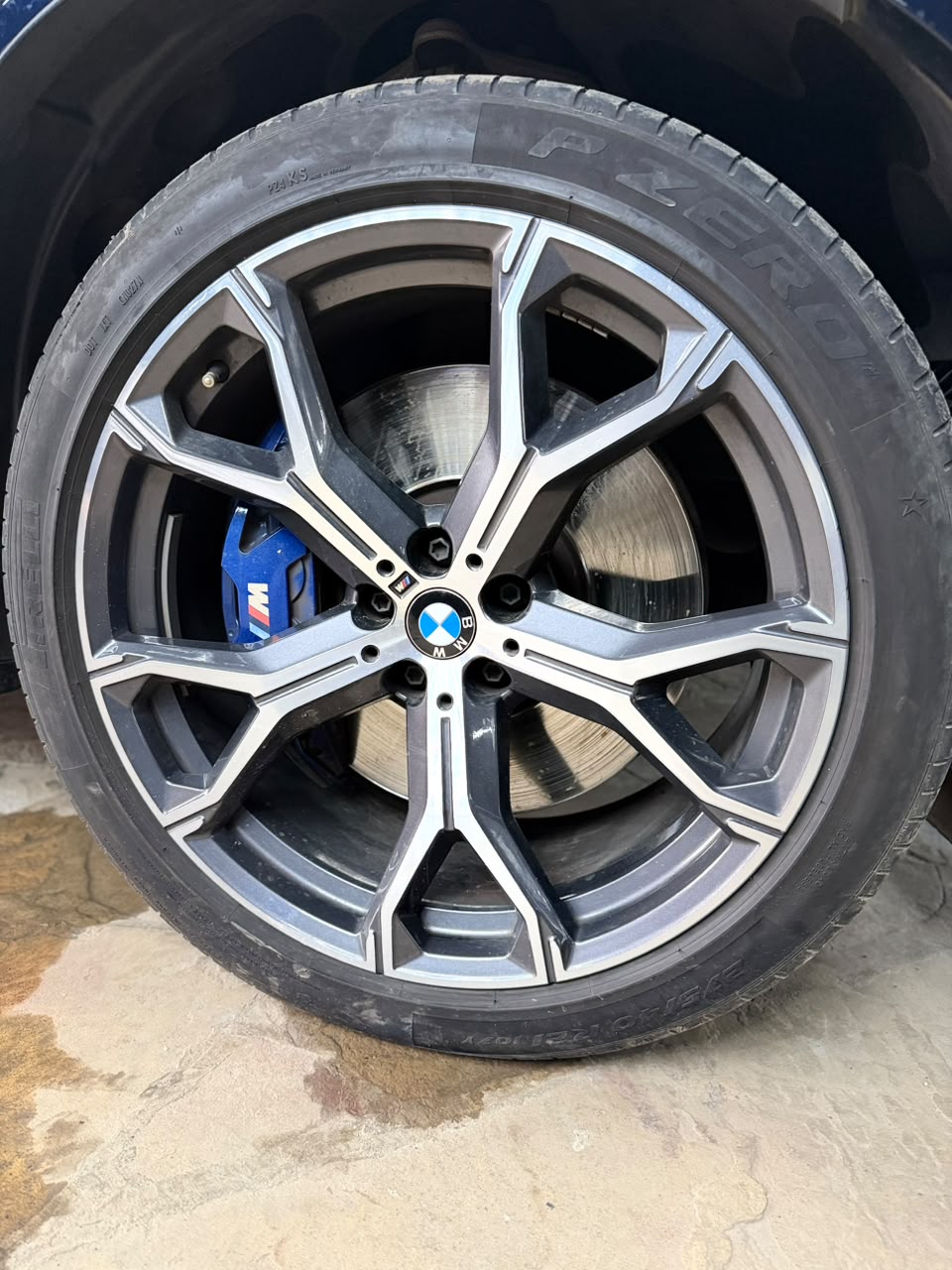
Wheels are one of the most overlooked parts of a car — until they're damaged. And when they are, they're also one of the most visible and expensive things to fix. In Kenya, alloy wheels face a particularly brutal set of conditions: brake dust that bonds in the heat, kerbs that come out of nowhere, potholes that try to bend metal, red murram that stains without asking, and hard water that spots and etches when the rain dries.
In our Karen workshop, we restore alloy wheels every single week — from light kerb rash to full diamond-cut refinishing. This guide walks through everything a Nairobi driver needs to know about keeping wheels looking sharp, from daily habits to the professional services that extend a wheel's life by years. No jargon, no nonsense — just what we've learned from restoring hundreds of sets.
Why alloy wheel care matters more in Kenya
Alloy wheel damage happens faster in Nairobi than in most other cities. There are specific reasons:
The three types of wheel damage
Understanding what damage type you're dealing with determines the right fix and the right cost:
1. Cosmetic contamination (fixable by cleaning)
This is dirt, brake dust, tar and iron fallout bonded to the surface but not yet into the metal. The wheel looks dirty and dull, but underneath it's fundamentally intact. A proper decontamination wash (with iron remover and tar remover) restores the surface completely. No refinishing needed.
Fix: Decontamination wash + protective coating. From KES 4,500 per set of four.
2. Surface damage (fixable by refinishing)
This is where the alloy itself has been damaged but not structurally compromised. Kerb rash (scraped edges), clear coat scratches, small chips, and light clear coat oxidation fall into this category. The wheel is safe to drive on, but it looks rough and the damage exposes the alloy to further corrosion.
Fix: Wheel restoration — sanding, filling, priming, refinishing and re-clearing. From KES 6,000 per wheel for kerb rash repair. Full wheel refinishing varies by finish type.
3. Structural damage (needs replacement)
This is serious. Cracks, bends, buckles, and deep alloy corrosion that has eaten into the metal. These affect safety — a cracked or bent wheel can fail under load, damage the tyre, or cause a loss of control at speed. No amount of cosmetic work makes a structurally compromised wheel safe.
Fix: Replacement. In some cases a specialist wheel straightener can save a bent wheel — but only if the crack hasn't compromised integrity. We'll tell you honestly if a wheel is beyond saving.
The daily habits that protect alloys
Most alloy wheel damage is preventable with a handful of simple habits. Here's what actually works:
✓ Wash wheels weekly, not monthly
The single biggest factor in wheel longevity. Brake dust bonds faster the longer it sits, and after 3–4 weeks it's already started to etch into the clear coat. A 10-minute wheel wash every week prevents the vast majority of the damage we see.
✓ Use pH-neutral wheel cleaner only
Cheap, aggressive "heavy-duty" wheel cleaners sold at petrol stations often contain strong acids or alkalis. They strip the clear coat from alloys within a few uses. Always use pH-neutral wheel cleaner — and never use the same cleaner on painted panels (it will strip wax and coating).
✓ Use dedicated wheel brushes
A soft barrel brush for the wheel face and a lug-nut brush for the gaps between spokes. Never use the same brush you use on paint — the brake dust and grit in the wheel brush will scratch paint if transferred.
✓ Cool wheels before washing
Never spray cold water on a hot wheel. The thermal shock can crack alloys and warp brake discs. Always let wheels cool for at least 20 minutes after driving before washing.
✓ Take kerbs slowly
A 5-second pause when parking prevents hundreds of shillings in refinishing. If you can't see clearly, get out and look. This is the single most cost-effective wheel habit there is.
✓ Apply a wheel-specific ceramic coating
A heat-resistant ceramic coating on wheels is genuinely worth it in Nairobi. It resists brake-dust bonding, makes cleaning dramatically easier, and protects against the mineral etching that wheels are particularly prone to. Lasts 1–2 years with care.
✓ Never drive with a leaking tyre
A slow leak may seem minor, but continuing to drive on a partially deflated tyre puts increasing lateral stress on the wheel edge. This is one of the leading causes of cracked alloys we see. Fix leaks promptly.
How to clean wheels properly at home
Weekly home cleaning is the single best thing you can do for your wheels. Here's a routine that actually works and takes 10–15 minutes:
- Step 1: Rinse the wheel with plain water to remove loose dust. Cool wheels only.
- Step 2: Spray pH-neutral wheel cleaner generously onto the wheel face and into the spoke gaps. Let it dwell for 60 seconds as directed on the bottle.
- Step 3: Agitate with a soft barrel brush. Work the brush into the spoke gaps and around the lug nuts. Don't scrub — let the chemical do the work.
- Step 4: Rinse thoroughly with low-pressure water. A pressure washer on a wide fan pattern is fine as long as you're not aiming directly at the wheel edge or brake components.
- Step 5: Dry the wheel with a clean microfibre towel. Never let wheels air-dry — water spots etch faster on wheels than on paint.
- Step 6: Optional but recommended: apply a spray wheel sealant every 2–3 months. This adds a hydrophobic layer that repels brake dust and makes the next wash easier.
Total time: 10–15 minutes for all four wheels. Do this weekly and your wheels will stay in excellent condition for years. Skip it for 2–3 months and you'll need professional restoration to fix what could have been prevented.
When to book professional wheel restoration
Some jobs are worth doing yourself. Others need a workshop. Here's the honest line:
Different finishes, different care
Not all wheels are created equal. The finish on your wheels affects how you should care for them:
- Painted alloys (most common): Standard care. Can be polished and refinished in any colour. Tolerant of weekly cleaning.
- Diamond-cut alloys: High-gloss machined faces with painted recesses. Beautiful but delicate. Avoid abrasive cleaners — they dull the machined finish permanently.
- Polished alloys: Mirror-finish metal. Very sensitive to mineral spots and acid cleaners. Require careful hand-cleaning and dedicated sealant. Professional restoration needed if they dull.
- Matte / satin alloys: Textured finish. Cannot be polished. Must be cleaned with matte-safe products only. Similar care requirements to matte wraps.
- Two-tone and custom finishes: Assessed case by case during inspection. Different techniques may apply to different parts of the wheel.
Frequently asked questions
The bottom line
Alloy wheels are one of the most visible parts of your car — and one of the most vulnerable to Nairobi's specific conditions. The good news is that the vast majority of wheel damage we see is entirely preventable with simple habits: wash weekly with pH-neutral cleaner, avoid acid products and dish soap, take kerbs slowly, cool wheels before washing, and apply a wheel ceramic coating for long-term protection.
Do those five things, and you'll never need to spend thousands on wheel restoration. When you do need professional help — kerb rash repair, deep decontamination or ceramic coating — call us on 0775-358-536 or book a free inspection at our Karen studio. We restore wheels every week and we'll tell you honestly what yours need.
Due for Wheel Restoration or Coating?
Book a free wheel inspection at our Karen studio. We'll assess the condition, recommend the right service, and quote transparently — no obligation to book.