
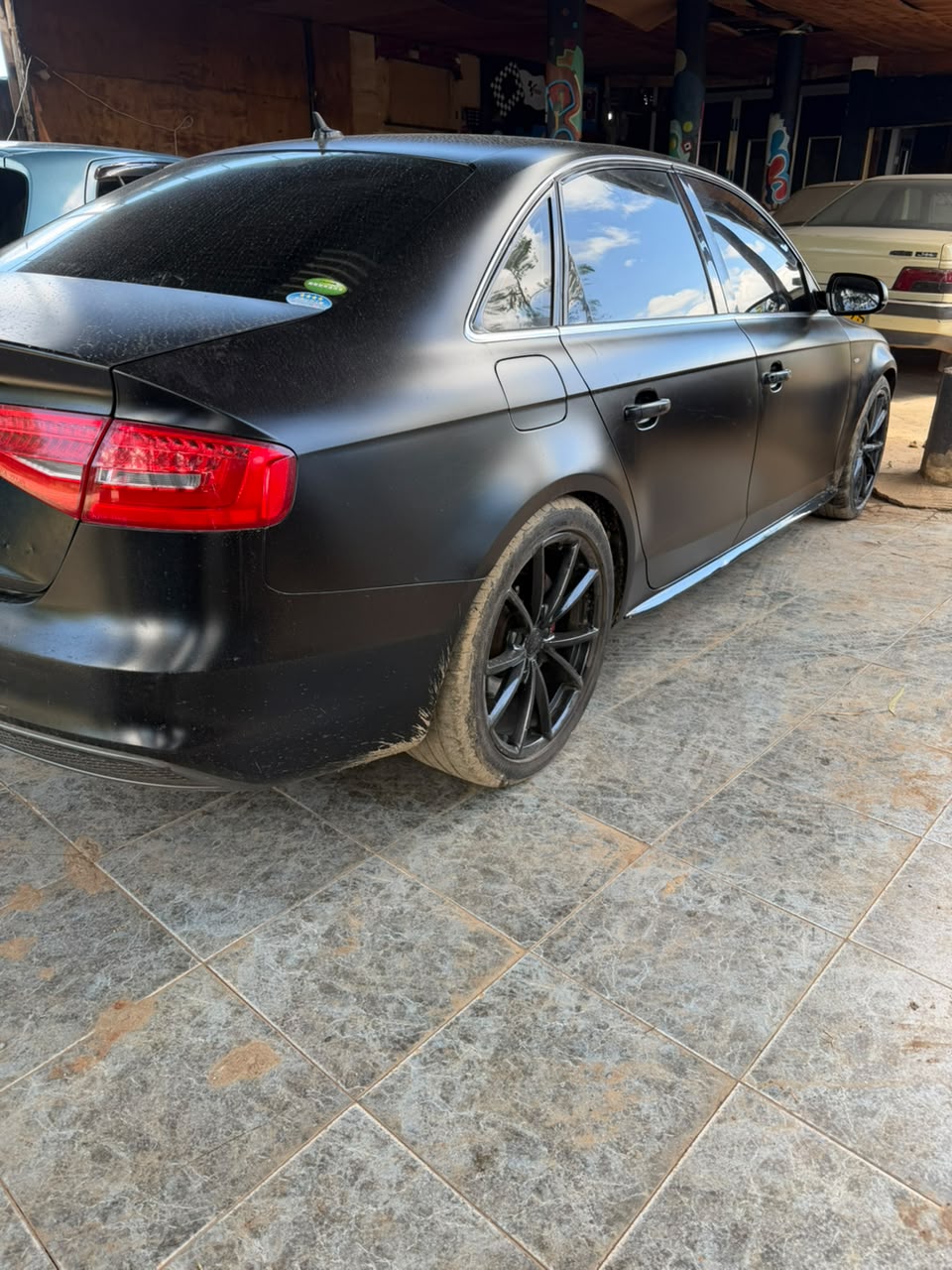
"How often should I wash my car?" sounds like a simple question, but the honest answer depends on where you drive, where you park, what kind of car you have, and — most importantly in Kenya — the season. A car parked in a shaded garage in Lavington has a very different detailing-needs profile from one parked outdoors in Karen and driven daily on murram roads. Treating them the same way means either overpaying for unnecessary work or under-protecting a car that's quietly being destroyed by Nairobi's sun and dust.
In this article, we'll cover realistic detailing schedules for the most common car-owner profiles in Nairobi, explain what each service actually does for your car, and give you a simple rule of thumb you can apply at home. Everything here comes from what we actually see in our workshop — not from generic advice written for European conditions.
Why Nairobi's climate is harder on cars than most
Kenya sits directly on the equator at around 1,600 metres above sea level. That combination — high altitude and equatorial sun — creates one of the harshest environments for car paint and interiors anywhere in the world:
- Higher UV intensity. At altitude, there's less atmosphere to filter UV. That's why sunburn happens faster in Nairobi than at the coast — and why car paint, trim and interior plastics age faster here too.
- Extreme dust seasons. Between January and March, and again in September, dust in the air is heavier than at any other time of year. That dust is abrasive — it works its way into door seals, seat stitching and ventilation systems.
- Two rainy seasons. The long rains (March–May) and short rains (October–December) bring weeks of wet-dry cycles. Every wet-dry cycle leaves mineral deposits on paint and glass and traps moisture inside the car.
- Hard water. Nairobi's water is mineral-heavy. Left to dry on paint or glass, it leaves watermarks that etch if not removed quickly.
- Red murram roads. For anyone driving outside the city, that iron-rich red soil bonds to paint and wheels and, if left, stains permanently.
The bottom line: a car in Nairobi is under more environmental stress than a car in London, Berlin or Toronto. Detailers in those markets can get away with six-month schedules that simply don't work here. Our recommended schedules are shorter for a reason.
The baseline schedule — for a daily driver parked outdoors
If your car is a daily driver, parked outdoors or in an open carport, and used mostly on tarmac roads, this is the schedule we recommend:
- Every 1–2 weeks: A basic wash — exterior hand wash + interior vacuum + windows. 45 minutes at home, or a quick professional wash.
- Every 3–6 months: Full interior + exterior deep detail. Steam cleaning, carpet shampoo, leather conditioning, machine polish, wheel decontamination, glass polish.
- Every 12 months: Engine bay detail + headlight restoration check + trim restoration check. Small tasks that add up.
For a car with wax (not ceramic coating), add a wax reapplication every 4–6 weeks during the dry season and every 3–4 weeks during the rains. For a car with ceramic coating, add a ceramic booster spray every 2–3 months.
Adjusted schedule — for a car that lives outdoors in the sun
If your car has no shade at all — parked in the open sun every day — UV exposure is dramatically higher. You'll need a shorter cycle:
- Every week: Basic wash — mostly to remove dust before it bonds into the paint.
- Every 2–3 months: Full detail. Slightly more frequent than the baseline, because UV accelerates interior and paint degradation.
- Ceramic coating strongly recommended — it's the single biggest thing you can do to protect paint that lives outdoors.
Adjusted schedule — for a car used on murram or rural roads
If you regularly drive outside the city — murram, gravel, red soil — that fine abrasive dust makes its way everywhere. Here's how the schedule shifts:
- Every week: Focus on underbody, wheel arches, brake callipers and door sills — the areas where murram dust collects and starts corrosion.
- Every 6–8 weeks: Full exterior decontamination wash with iron and tar removers, plus a boost to your paint protection.
- Every 3–4 months: Full interior + exterior detail. Murram interiors collect far more dust than tarmac interiors.
Adjusted schedule — for a car parked in a shaded garage
This is the easy life. If your car is parked in a covered garage or heavily shaded area and driven on tarmac, you can extend the schedule slightly:
- Every 2–3 weeks: Basic wash + vacuum. Dust accumulates more slowly in shade, and UV damage is dramatically reduced.
- Every 4–6 months: Full interior + exterior detail.
- Coating or wax will last noticeably longer — often 20–30% longer than a car parked outdoors. Shade is the biggest protective factor of all.
What each type of detail actually does
Not every "detail" is the same. Understanding what each level of service actually delivers helps you decide how often to book what:
A seasonal breakdown for Nairobi
The calendar affects what your car needs most. Here's how to adjust through the year:
- January–March (hot & dusty): Increase exterior washes. Apply fresh paint protection before this window — it's when UV and dust do the most damage.
- March–May (long rains): Focus on water spot removal and interior moisture control. Replace cabin air filter. Book a full detail at the start of the season to remove the dust buildup from the dry months.
- June–August (cool & dry): The easiest season for your car. Great time for a paint correction or ceramic coating installation — curing conditions are ideal.
- September–November (short rains + dust start): Same as long rains. Watch for watermarks on paint and glass. Refresh trim restoration if faded.
- December (mixed): Short rains end. Great time for a pre-holiday full detail.
Signs your car needs a detail sooner than scheduled
Schedules are guidelines, not rules. Book a detail sooner than planned if you notice any of these:
- Water no longer beads on the paint — protection has worn off.
- Paint feels rough or gritty to the touch — bonded contamination has built up.
- Interior has a musty or damp smell — moisture has settled into the carpets or vents.
- Visible water spots or etch marks on the paint or glass.
- Swirl marks visible in direct sunlight — a sign your wash method is scratching.
- Before a long road trip, a family event or preparing to sell — worth booking regardless of schedule.
The biggest mistake Nairobi drivers make
After years of cleaning cars in this city, the most common mistake we see isn't booking too rarely — it's washing incorrectly. A weekly car wash with the wrong method can do more damage than no wash at all. Specifically:
- Using a single bucket and sponge. You're dragging dirt back across the paint with every pass. Use the two-bucket method.
- Letting the car air-dry. In Nairobi's sun, water evaporates in minutes and leaves mineral spots. Always dry with a microfibre towel.
- Using dish soap. It strips wax and coating and dries out rubber and plastic trim. Only pH-neutral car shampoo.
- Automatic car washes with brushes. The single biggest cause of swirl marks returning. Avoid them entirely.
Frequency matters, but method matters more. A weekly wash done wrong is worse than a fortnightly wash done right.
Quick-reference table
Here's the whole schedule boiled down to one glance:
Where to draw the line: DIY vs professional
Not everything needs a professional. Here's the honest split:
- DIY: Weekly washes, drying, spray sealant top-ups, glass cleaning, interior vacuuming. These are genuinely doable and, done well, just as effective as professional.
- Professional: Deep interior details, steam cleaning, machine polishing, paint correction, ceramic coating, PPF, wheel restoration. These need the right tools, training and controlled environment.
If you're unsure where a specific job falls, call us — we'd rather tell you "you can do this yourself" than take money for work you don't need.
Frequently asked questions
The bottom line
There's no single answer to "how often should I detail my car?" — but there is a minimum: for a daily-driven car in Nairobi, a basic wash every 1–2 weeks and a full professional detail every 3–6 months. Anything less, and you're letting Nairobi's climate slowly erode the car's value. Anything more, and you're probably paying for work the car doesn't actually need.
If you'd like a personalised recommendation for your specific car and driving pattern, call us on 0775-358-836, or send us a message. We'll give you a straight answer without any pressure to book.
Due for Your Next Detail?
Book a full interior + exterior detail at our Karen studio, or use our Instant Quote tool for pricing on your specific car. Free pickup and delivery within Karen.